Aligning Legal Mandates with Player Safety Innovations in Online Gambling Environments
Rosa Vogel · Nov 24, 2026
Aligning Legal Mandates with Player Safety Innovations in Online Gambling Environments
Digital wagering platforms operate under layers of legal requirements that directly shape the design of player protection features, and data from multiple jurisdictions shows these intersections have intensified since 2024. Regulators in various regions mandate tools such as deposit limits, self-exclusion programs, and real-time monitoring systems, while operators integrate these elements into user interfaces to meet compliance benchmarks. In November 2026 figures from North American and European markets indicate that platforms using integrated verification protocols reduced unauthorized access attempts by measurable margins compared with earlier periods.
Core Regulatory Requirements Driving Tool Development
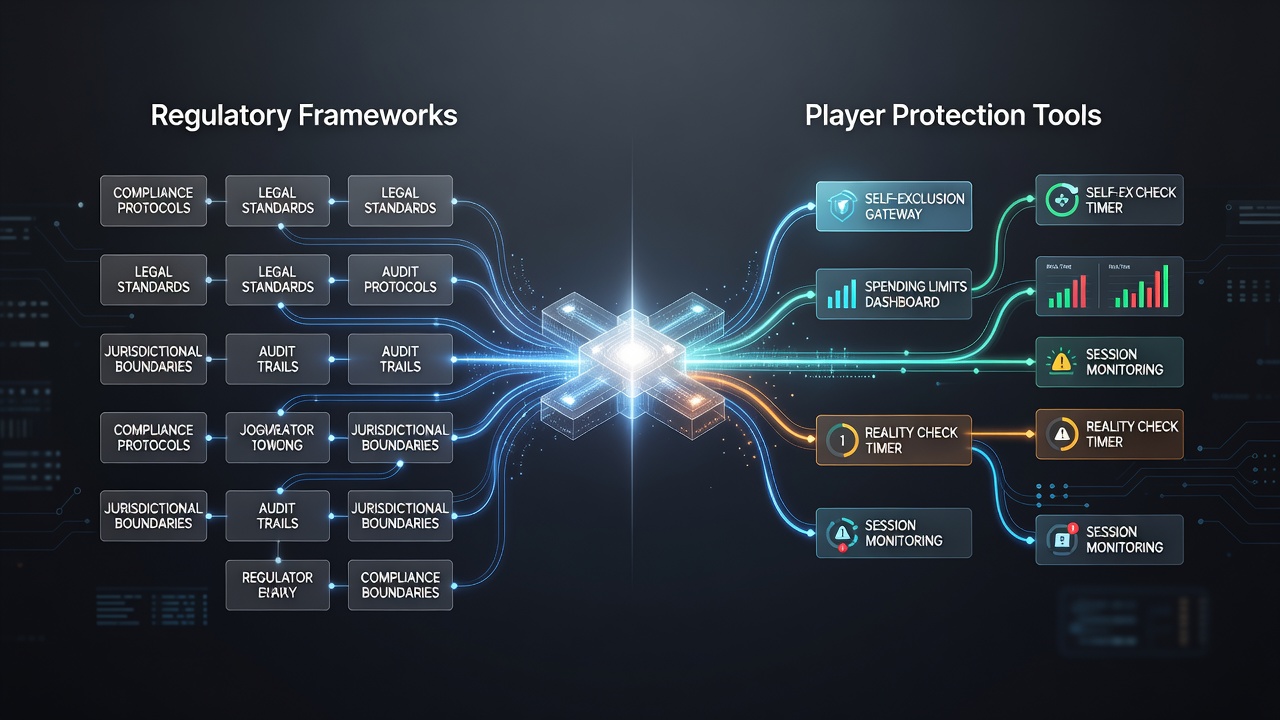
Legal frameworks in the United States, Australia, and parts of the European Union require operators to embed specific safeguards that address age verification, financial controls, and behavioral tracking. The New Jersey Division of Gaming Enforcement, for instance, enforces standards that link identity checks with session monitoring software, creating a system where players encounter automated prompts when spending patterns exceed predefined thresholds. Australian regulators through bodies like the Australian Communications and Media Authority have similarly tied licensing renewals to the deployment of mandatory cooling-off periods and transaction alerts. These rules push developers to create interfaces that combine multiple functions into single dashboards rather than isolated add-ons.
Observers note that the overlap produces standardized features across markets, although implementation details differ by jurisdiction. In Canada, provincial frameworks require operators to report usage statistics for limit-setting tools on a quarterly basis, and similar reporting appears in Swedish oversight documents that track voluntary exclusion rates. Such data collection allows authorities to adjust thresholds based on aggregate trends rather than individual complaints alone.
Player Protection Features Shaped by Compliance Demands
Protection mechanisms now include AI-driven pattern recognition that flags unusual betting sequences, automated deposit caps that reset according to regulatory calendars, and unified self-exclusion registries accessible across multiple sites. Research from the National Council on Problem Gambling indicates that jurisdictions enforcing cross-platform exclusion lists recorded higher participation rates in those programs during 2025 and into late 2026. Platforms integrate these lists directly into account creation flows so users cannot bypass restrictions by opening new profiles on affiliated services.

Operators have responded by building modular systems that allow quick updates when rules change. One example involves dynamic reality checks that appear at intervals dictated by local statutes, with messages calibrated to include jurisdiction-specific helpline numbers. Data from academic reviews of these interventions shows modest but consistent drops in extended session lengths when the prompts include both time and spend summaries. Because regulations often specify minimum frequencies for such interventions, the tools become baseline requirements rather than optional enhancements.
Technical Integration Across Jurisdictions
Software providers face the task of maintaining separate rule sets for different regions while keeping a consistent user experience. In practice this means a single backend can apply stricter deposit limits for Australian accounts than for certain US state licenses, yet the front-end menus remain visually similar. Compliance teams test these configurations against audit trails that regulators can access in real time, and several frameworks now require third-party certification of the protection modules before launch. The process creates a feedback loop where operator data informs future rule adjustments, while regulatory updates prompt immediate code revisions.
What's interesting is how smaller markets influence larger ones through shared technology vendors. A feature developed to satisfy Canadian provincial rules, such as loss-limit calculators tied to bank transfers, has appeared in modified form in other regions after operators sought economies of scale. This cross-pollination occurs even as each authority maintains independent oversight, because the underlying code libraries travel with the software packages.
Monitoring, Reporting, and Continuous Adjustment
Regulators receive anonymized datasets that detail how often players activate protection tools, how long exclusions last, and whether repeat sign-ups occur after restrictions end. These metrics feed into policy reviews that can tighten or relax requirements. In November 2026 several oversight bodies referenced earlier-year statistics when announcing minor tweaks to verification intervals, demonstrating the ongoing calibration process. Academic studies funded by government grants have examined correlations between tool usage and reported gambling-related harms, though results vary by population sample and measurement period.
Industry associations contribute technical standards that help operators meet multiple rule sets simultaneously. These organizations publish guidelines on encryption for exclusion databases and on audit logging for limit changes, reducing the risk of non-compliance during software updates. Because the standards draw from practical implementations, they evolve alongside both regulatory changes and technological advances in detection algorithms.
Conclusion
The intersection continues to produce standardized yet adaptable protection environments that reflect the specific legal priorities of each jurisdiction while relying on shared technical foundations. As data collection expands and cross-border operator activity persists, the mechanisms for aligning mandates with tools remain under active refinement across regions.