Biometric Tracking Tools Reshape Safer Gaming Habits Globally
Rosa Vogel · Aug 23, 2026
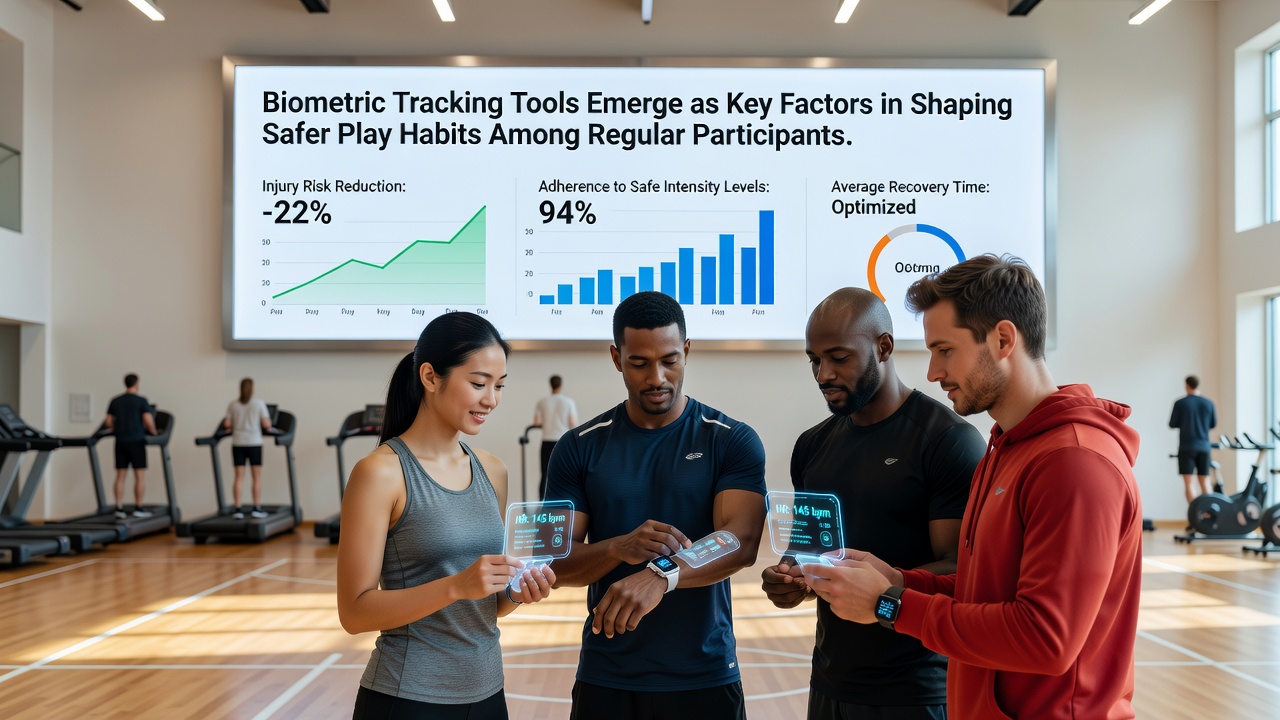
Biometric Tracking Tools Reshape Safer Gaming Habits Globally
Biometric tracking tools have gained traction in digital gaming environments as systems that monitor physiological signals to encourage balanced participation among users. These technologies capture data such as heart rate variability, skin conductance, and eye movement patterns, then feed the information into algorithms that detect shifts in engagement levels. Operators in various regions have begun integrating these sensors into mobile apps and desktop platforms, creating feedback loops that prompt users when metrics suggest prolonged sessions or elevated stress indicators.
How These Systems Operate in Practice
Devices equipped with biometric capabilities rely on non-invasive hardware like wristbands, camera-based eye trackers, and wearable heart monitors that connect directly to gaming interfaces. When a player logs in, the system establishes baseline readings during initial play periods, then compares ongoing data against those norms. Alerts appear on screen in the form of short pauses or resource suggestions, such as links to time management features, when deviations exceed predefined thresholds. Research from the Victorian Responsible Gambling Foundation shows that such interventions correlate with shorter average session durations among participants who receive them regularly.
Data Patterns Observed in Recent Deployments
Studies conducted across multiple jurisdictions reveal measurable changes in user behavior following the introduction of biometric oversight. One analysis of Australian online platforms recorded a 14 percent reduction in consecutive play hours among users whose devices flagged elevated arousal levels during August 2026 testing phases. European trials similarly noted declines in rapid betting sequences when eye-tracking software identified sustained focus without breaks. These findings emerge from controlled comparisons between groups with access to the tools and those without, highlighting consistent differences in participation rhythm rather than outright cessation.
Integration With Existing Regulatory Frameworks
Regulators in Canada and parts of the United States have started requiring operators to report aggregated biometric data as part of compliance documentation. The approach allows authorities to track population-level trends without accessing individual identifiers, maintaining privacy standards while gathering evidence on effectiveness. Academic papers published through the Gambling Research Exchange Ontario detail how these datasets help refine responsible gaming protocols, particularly in identifying early markers that precede extended play periods. Operators adjust their systems quarterly based on the incoming statistics, refining alert sensitivity to match observed user responses.

Implementation varies by platform scale. Larger international operators embed the technology across multiple game types, while smaller providers focus on high-volume titles first. Users receive clear explanations during onboarding about what data gets collected and how it influences in-session prompts. Opt-out options exist in most deployments, although participation rates remain high when operators present the features as optional safety layers rather than mandatory controls.
Challenges in Measurement and Adoption
Accuracy of biometric readings depends heavily on consistent device calibration and user-specific factors such as age, fitness levels, and medication use. Researchers at institutions including the National Institutes of Health have documented variability in sensor output across demographic groups, prompting developers to incorporate machine learning adjustments that account for individual baselines. Privacy concerns surface regularly in public discussions, leading companies to store raw physiological data on user devices rather than central servers whenever possible. This decentralized model reduces transmission risks while still enabling real-time analysis during active sessions.
Cost considerations also shape rollout timelines. Hardware sensors add expense to consumer devices, so many implementations lean on software-based proxies such as facial analysis through existing cameras. Trials completed in mid-2026 demonstrated comparable detection rates between camera-only systems and those using dedicated wearables, suggesting broader accessibility for future versions.
Future Directions in Tool Development
Developers continue testing combinations of biometric signals with behavioral metrics like bet sizing and game selection speed. Early prototypes combine these streams to generate composite risk scores that update dynamically throughout a session. Pilot programs in several markets during August 2026 explored voluntary sharing of these scores with support services, allowing users to receive tailored recommendations without direct operator intervention. The emphasis remains on expanding the range of detectable signals while preserving user agency over data handling.
Conclusion
Biometric tracking has established itself as a measurable component in efforts to support safer play patterns across digital gaming landscapes. Evidence from ongoing studies and regional deployments indicates that physiological monitoring can influence session length and intensity when integrated thoughtfully into user interfaces. Continued refinement of sensor accuracy, privacy safeguards, and cross-platform compatibility will determine how widely these tools spread in subsequent years.