European Weather Anomalies Prompt Adjustments in Greyhound Betting Pools and Structures
Uma Carter · Oct 13, 2026
European Weather Anomalies Prompt Adjustments in Greyhound Betting Pools and Structures
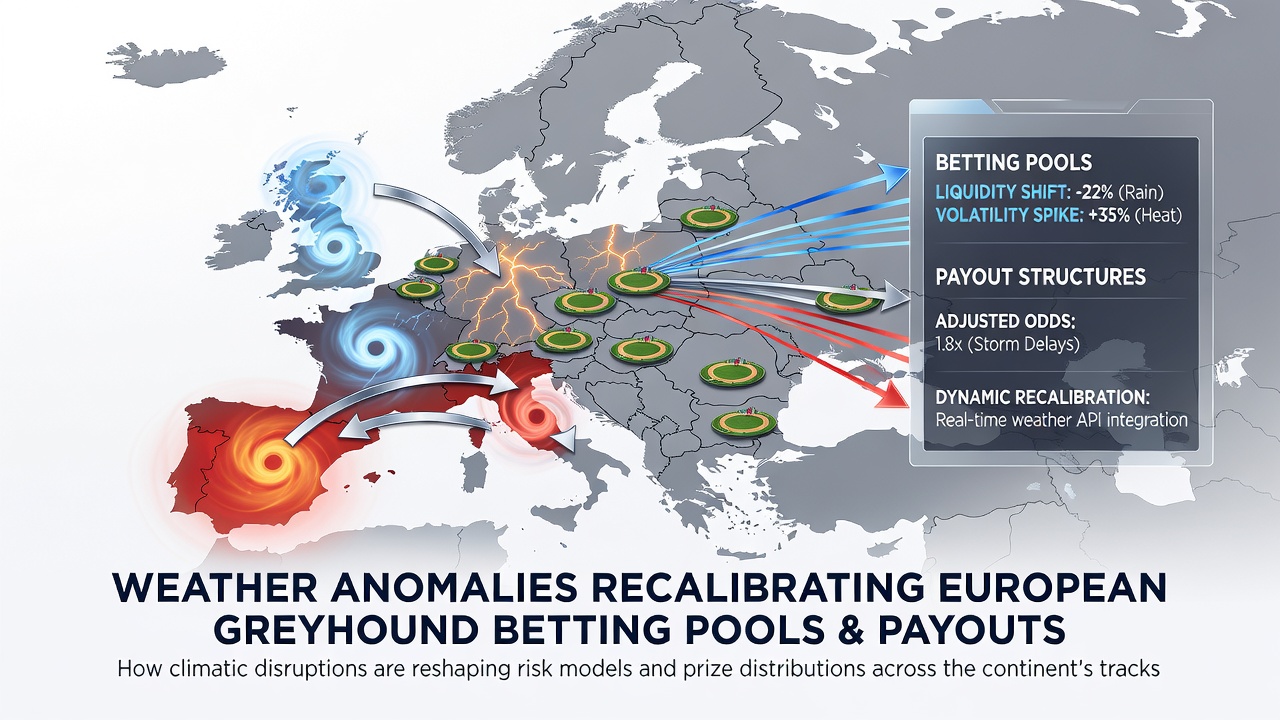
Weather patterns across European greyhound venues have shown notable deviations in recent seasons, with data indicating shifts in rainfall distribution, temperature extremes, and wind velocities that alter track surfaces at facilities in Ireland, France, Spain, and the Netherlands. These changes influence race times, dog traction, and overall event outcomes, which in turn affect the volume and distribution of wagers placed through licensed operators. Observers tracking betting activity report that pools for specific meetings adjust as bettors respond to updated performance metrics derived from altered conditions.
Observed Shifts in Track Conditions
Records from continental venues reveal that extended dry spells in northern regions during summer months have hardened surfaces at several Irish and Dutch tracks, whereas increased precipitation in southern circuits has softened ground in parts of Spain and southern France. Such variations modify stride lengths and injury rates among competing greyhounds, prompting trainers to revise preparation routines and race-day selections. Figures compiled through venue monitoring systems show average race durations extending by fractions of seconds on firmer ground, while softer conditions correlate with wider margins between finishing positions.
Those monitoring seasonal data note that October 2026 brought early autumn temperature fluctuations exceeding historical averages in multiple zones, leading to rapid surface transitions within single race cards. This variability requires operators to recalibrate starting prices and exchange odds more frequently during sessions, as initial assessments based on prior form become less predictive.
Effects on Betting Pool Volumes
Adjustments in pool sizes emerge when bettors factor revised track data into their selections, resulting in heavier concentrations on dogs demonstrating adaptability to current surfaces. European operators have recorded increased activity in place and forecast markets during periods of pronounced weather deviation, whereas win pools sometimes contract as confidence in outright favorites diminishes. Industry reports highlight that cross-border wagering platforms experience similar redistribution patterns when multiple venues report concurrent anomalies.
What's notable is how these dynamics interact with regulatory frameworks outside the United Kingdom. Data from the European Gaming and Betting Association indicates that licensed entities in member states apply standardized reporting on pool movements tied to environmental variables, allowing for clearer tracking of liquidity shifts. Meanwhile, academic analyses from university research groups examining performance databases have linked surface moisture levels directly to changes in betting turnover across sampled events.
Recalibration of Payout Structures
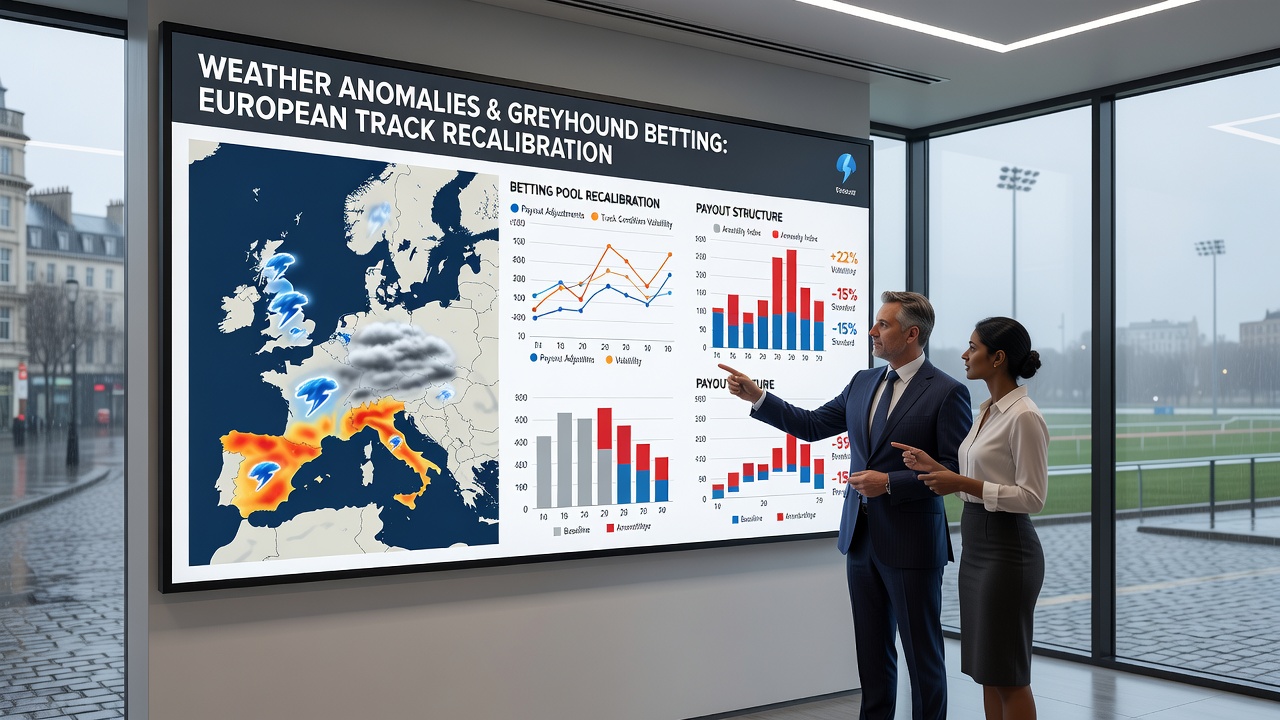
Payout ratios adapt through algorithmic updates that incorporate real-time track measurements, ensuring that returns reflect the statistical probabilities under prevailing conditions. Venues implement tiered dividend scales for multi-leg bets when weather anomalies persist across consecutive meetings, reducing the frequency of high-odds payouts while stabilizing smaller returns. Operators in affected regions maintain separate contingency tables for heat-affected versus moisture-affected races, which feed into automated settlement systems.
Those reviewing transaction logs observe that exotic bet categories such as trifectas and first-four combinations register altered payout frequencies when wind patterns influence early pace. This prompts periodic reviews of commission thresholds by venue management to maintain pool viability. Evidence from performance studies suggests that dogs with documented success on variable surfaces attract disproportionate support, which further compresses dividends in those segments.
Regional Variations and Data Integration
Facilities in the Netherlands have documented particular sensitivity to gust variations that affect bend navigation, leading to localized adjustments in pool seeding from international participants. Spanish circuits report that elevated temperatures during evening programs accelerate fatigue patterns, shifting emphasis toward stamina-focused selections in late-race markets. French operators integrate meteorological feeds into their pricing models at an earlier stage, allowing for pre-meeting announcements that inform pool contributions.
Cross-referencing with broader environmental datasets from the European Centre for Medium-Range Weather Forecasts supports correlations between anomaly frequency and betting pattern evolution. Venues that share standardized condition reports facilitate smoother integration of these variables into centralized exchange platforms, reducing discrepancies in odds offered across borders.
Conclusion
European greyhound betting continues to incorporate weather-derived variables into core operational processes, with pool volumes and payout structures responding directly to measured changes in track conditions. Ongoing data collection from multiple jurisdictions enables operators and analysts to refine predictive models, supporting consistent market function amid evolving environmental inputs.