Global Data Patterns Reveal Compliance Changes Shaping User Activity in Controlled Digital Markets
Drew Hansen · Jul 24, 2026
Global Data Patterns Reveal Compliance Changes Shaping User Activity in Controlled Digital Markets
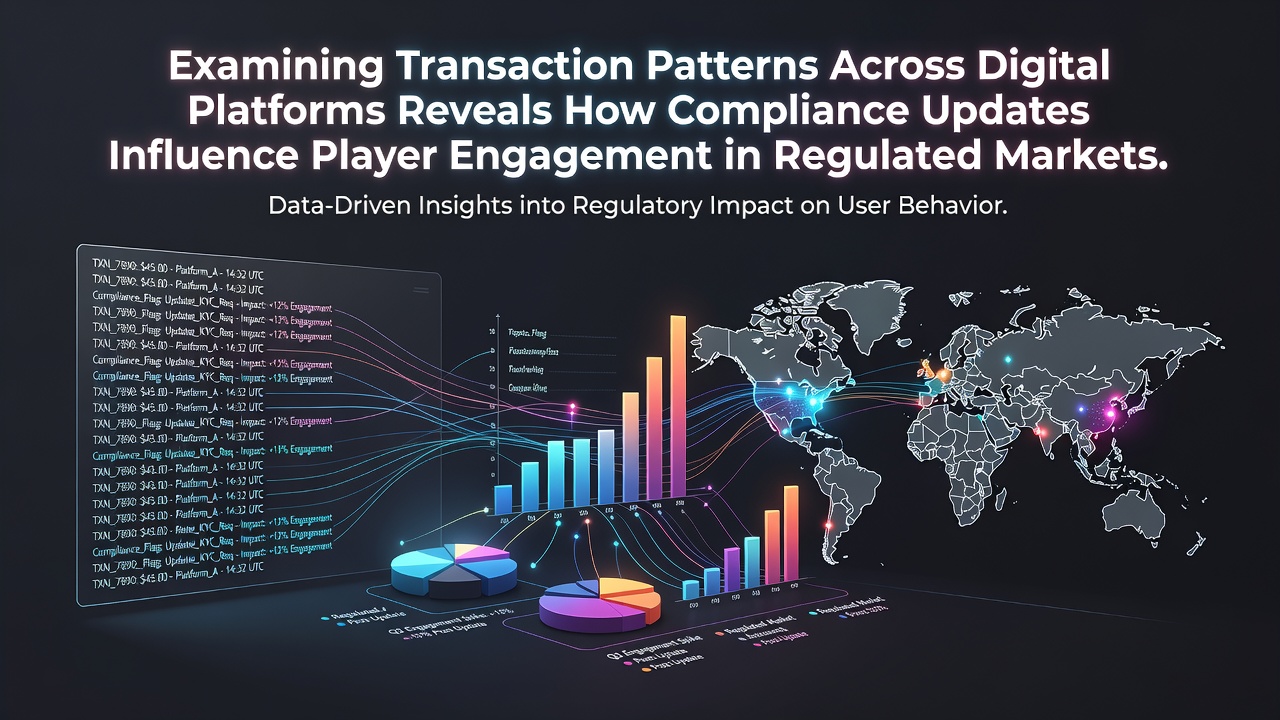
Transaction records from multiple regulated jurisdictions demonstrate measurable shifts in player behavior following compliance updates, and these changes appear consistently across digital platforms in North America, Europe, and the Asia-Pacific region. Data from early 2026 shows that adjustments to verification processes and spending controls correlate with variations in deposit frequency, session duration, and overall retention rates.
Patterns Emerging from Cross-Platform Analysis
Observers tracking digital gambling transactions note that stricter identity verification requirements introduced in several markets during late 2025 led to temporary declines in new account activations, yet platforms that streamlined these processes saw quicker rebounds in engagement metrics by January 2026. In contrast, jurisdictions maintaining lighter verification steps recorded steadier month-over-month growth in active users through mid-2026.
Payment method restrictions also produced distinct effects, with studies from Canadian provincial regulators indicating that limits on certain e-wallet options reduced average deposit sizes by 15 to 20 percent in the first quarter of 2026, while operators offering alternative approved channels experienced faster recovery in transaction volumes. These outcomes highlight how specific compliance elements interact differently depending on the market's existing infrastructure.
Regional Variations in Engagement Responses
North American data compiled by the American Gaming Association reveals that U.S. state-level updates to responsible gambling tools, including mandatory deposit caps in select jurisdictions, coincided with a 12 percent drop in high-frequency player transactions during the spring of 2026, although overall participation rates remained stable as casual users maintained consistent activity levels. Meanwhile, iGaming Ontario reported that similar spending limit implementations in Canada prompted operators to introduce educational prompts, which correlated with a modest increase in voluntary limit-setting among existing users by July 2026.
Australian regulators overseeing digital platforms documented parallel trends, where enhanced age-verification protocols rolled out in 2025 resulted in fewer underage access attempts but also a short-term dip in cross-device logins, and operators that integrated biometric options noted improved retention figures within six months. European markets under varying national frameworks showed comparable patterns, with some countries experiencing reduced session lengths after mandatory cooling-off period mandates took effect.
Platform Adaptations and Transaction Shifts
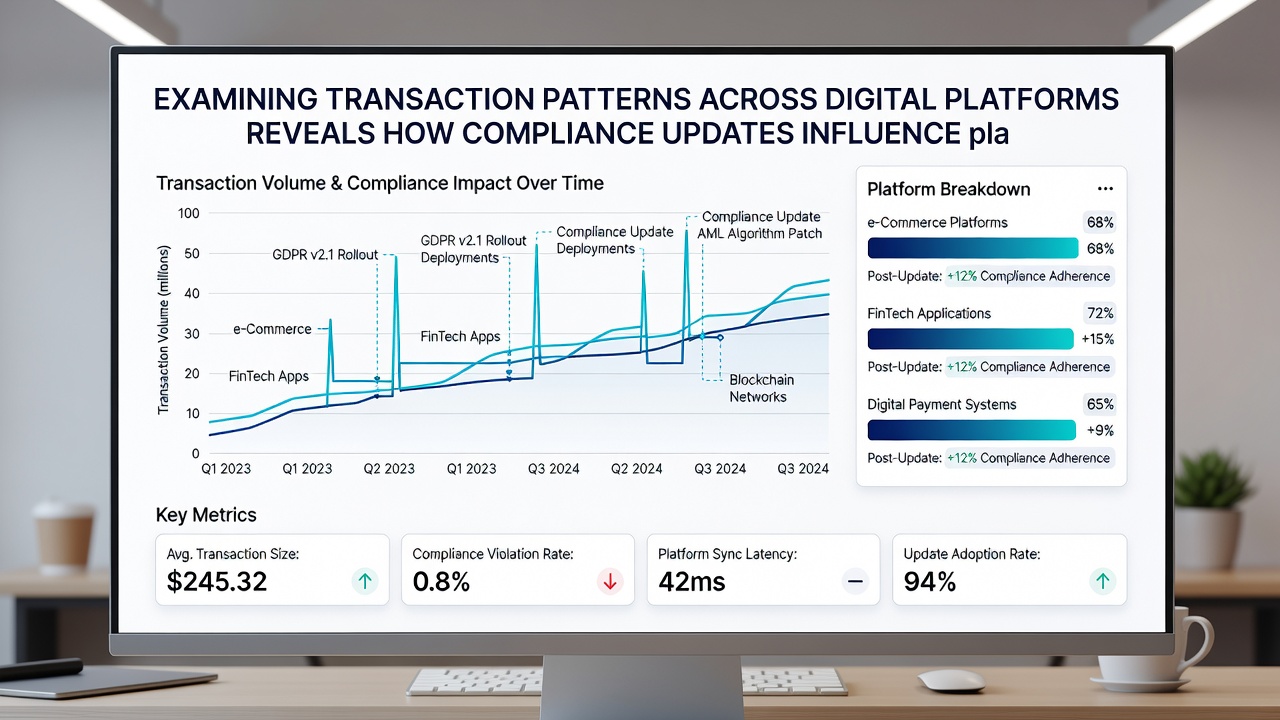
Operators across regulated markets responded to these compliance adjustments by refining user interfaces and notification systems, and transaction logs indicate that platforms incorporating real-time spending alerts observed higher rates of self-imposed breaks among players. Research from academic institutions examining these digital environments found that clear, timely communications about new rules helped mitigate potential engagement drops, whereas abrupt changes without supporting information often extended recovery periods beyond three months.
Payment processing data further illustrates these dynamics, with approved alternative funding methods gaining traction in markets where traditional options faced tighter scrutiny, and this shift contributed to sustained transaction flows even as overall volumes fluctuated. Platforms that maintained diverse approved channels recorded more stable engagement curves compared to those relying on fewer methods during regulatory transitions.
Longer-Term Market Observations
By July 2026, aggregated figures from multiple oversight bodies showed that markets with phased compliance rollouts tended to preserve higher player retention than those implementing simultaneous changes across all requirements. Transaction pattern analysis suggests that gradual introductions allowed users time to adjust habits, resulting in smaller disruptions to deposit and withdrawal rhythms over subsequent quarters.
Industry reports from organizations monitoring global digital gambling trends emphasize that ongoing monitoring of these patterns continues to inform future policy refinements, and operators using data-driven approaches to user communication have documented steadier activity levels following each update cycle. These observations span various regulatory environments and underscore the interconnected nature of compliance measures and engagement indicators.
Conclusion
Transaction pattern examination across digital platforms in regulated markets continues to provide clear evidence of how compliance modifications influence player engagement metrics, with outcomes varying by jurisdiction, implementation speed, and supporting tools provided to users. Data from 2025 through mid-2026 demonstrates consistent correlations between specific rule changes and shifts in activity, while also highlighting successful adaptation strategies employed by operators in diverse regions.