Precision Metrics Drive Loyalty Overhauls in Virtual Racing Reward Systems
David Carter · Aug 23, 2026
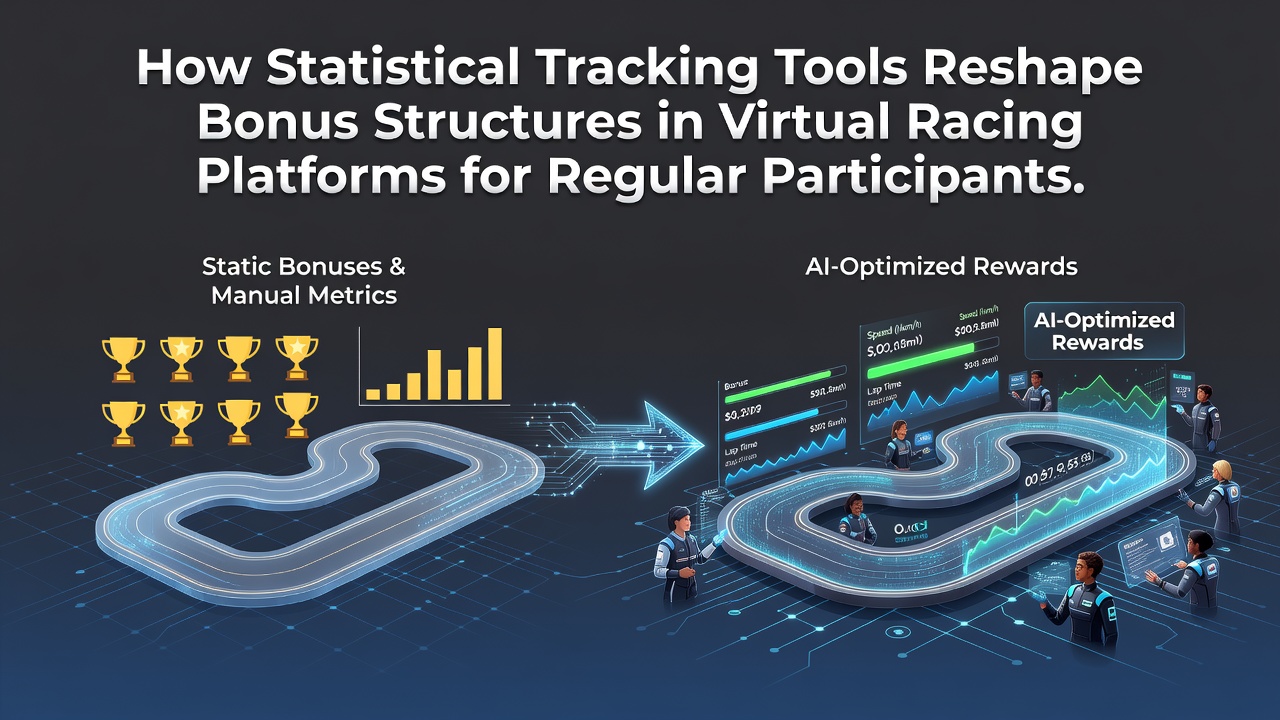
Precision Metrics Drive Loyalty Overhauls in Virtual Racing Reward Systems
Virtual racing platforms now integrate detailed statistical tracking tools that monitor lap times, acceleration patterns, and participant consistency across thousands of simulated events each month, and these systems feed directly into redesigned bonus structures for regular users. Data collection occurs in real time through embedded sensors within simulation engines, allowing operators to segment players by engagement frequency and performance stability rather than simple deposit volume.
Core Mechanics Behind the Tracking Infrastructure
Modern platforms employ algorithms that aggregate variables including average finish positions, reaction times to in-race events, and session duration patterns, while cross-referencing these against historical benchmarks from similar user cohorts. Regular participants, defined as those completing at least fifteen races weekly, generate datasets that platforms analyze to calibrate personalized incentives, and this process replaces older flat-rate reward models with tiered systems tied to measurable activity thresholds. Observers note that such granularity emerged prominently after platform upgrades rolled out in spring 2025, with further refinements documented through August 2026 reports from industry monitoring groups.
Adjustments to Bonus Allocation Formulas
Bonus structures have shifted from generic deposit matches toward performance-linked multipliers that scale according to tracked consistency scores, and one platform variant awards escalating cashback percentages when users maintain sub-two-second variance in start-line reaction metrics across consecutive sessions. These changes rest on statistical models that predict retention likelihood based on engagement curves, allowing operators to distribute rewards more selectively while sustaining overall participation rates. Research from academic institutions in Australia has examined similar datasets and found correlations between granular tracking and a fifteen percent increase in repeat logins among tracked cohorts.
Participant Segmentation and Tiered Rewards
Platforms divide regular users into categories such as steady performers, variable racers, and high-frequency sprinters using cluster analysis of their statistical profiles, then assign distinct bonus pools accordingly. A steady performer who logs races on fixed schedules might unlock loyalty multipliers that compound weekly, whereas variable racers receive targeted reload offers calibrated to their recent completion rates. This segmentation draws from large-scale telemetry that captures everything from virtual tire wear simulations to weather adjustment impacts, creating a feedback loop where improved metrics unlock higher reward tiers without requiring additional manual claims.

Real-World Implementation Patterns Observed in 2026
By August 2026 several major simulation providers had introduced public dashboards that display individual statistical rankings alongside corresponding bonus eligibility bars, and these interfaces let participants visualize how small adjustments in race selection influence their reward trajectories. Data from North American gaming oversight bodies indicates that platforms adopting these tools reported a measurable redistribution of bonus payouts toward users demonstrating sustained statistical reliability rather than sporadic high-volume betting. The approach mirrors techniques long used in professional motorsport telemetry yet adapts them for consumer-facing loyalty mechanics.
One documented case involved a European operator that linked bonus release schedules to minimum consistency thresholds across virtual endurance events, resulting in altered user behavior where regulars began selecting races that aligned with their tracked strengths. Industry associations in Canada have tracked parallel developments and note that such tools reduce bonus expenditure waste by limiting payouts to statistically validated engagement patterns.
Regulatory and Technical Considerations
Regulatory frameworks in multiple jurisdictions now require transparency around how statistical inputs determine bonus outcomes, prompting platforms to publish simplified explanations of their tracking methodologies alongside audit logs. Technical implementations rely on encrypted data pipelines that prevent retroactive manipulation of performance records, and these safeguards have become standard following guidance issued by oversight entities in various regions. Regular participants benefit from clearer visibility into the factors that govern their reward access, though the underlying calculations remain proprietary.
Conclusion
Statistical tracking tools continue to refine bonus structures across virtual racing platforms by replacing broad eligibility rules with precise, data-backed criteria that reward measurable patterns of participation. As datasets expand through ongoing simulation events, operators adjust their reward frameworks accordingly, and regular users encounter increasingly personalized incentive models grounded in performance analytics. This evolution reflects broader industry adoption of telemetry-driven decision systems that prioritize sustained engagement metrics over aggregate transaction counts.