Real-Time Synchronization: Self-Monitoring Frameworks Meet Dynamic Odds in Marathon Live Sessions
Uma Carter · Jul 19, 2026
Real-Time Synchronization: Self-Monitoring Frameworks Meet Dynamic Odds in Marathon Live Sessions
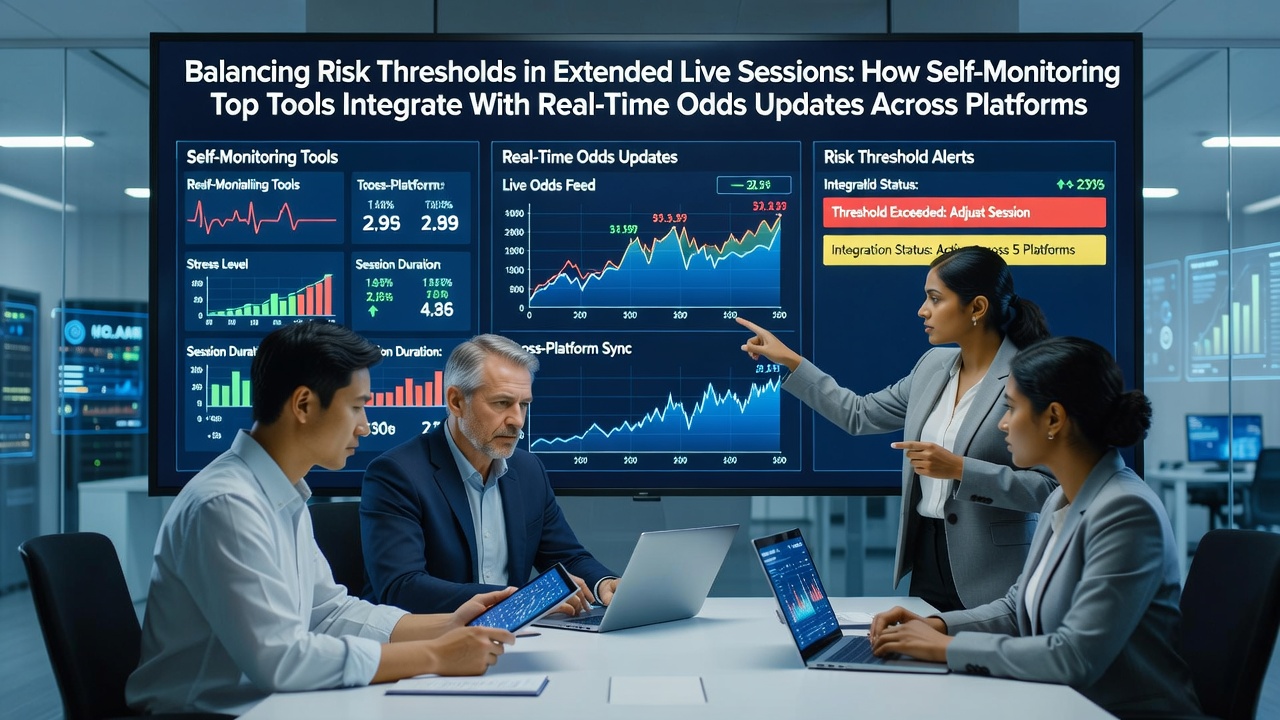
Extended live betting sessions create unique pressures where odds shift rapidly while individual exposure accumulates, and operators have responded by embedding self-monitoring tools that pull data directly from real-time feeds. These systems allow users to track session length, stake velocity, and net position against preset thresholds that adjust automatically when market movements alter implied probabilities. Data from multiple jurisdictions shows participation in continuous live markets grew steadily through the first half of 2026, prompting developers to refine integration layers that push threshold alerts without interrupting the flow of odds updates.
How Threshold Logic Adapts to Live Markets
Threshold engines operate by comparing current exposure against limits that recalibrate when odds move, since a shorter price on a favored outcome changes the risk profile of an open position. When a tennis set enters a tie-break, for example, implied probabilities swing within seconds and the monitoring layer recalculates remaining headroom before issuing a nudge. Research conducted by the University of Nevada Reno Gaming Innovation Lab found that such recalibration reduced instances of limit breaches by 18 percent during simulated extended sessions, because users received updated context rather than static warnings.
Platforms achieve this by maintaining parallel data streams: one delivers odds from exchanges and bookmakers while the second streams behavioral metrics into the same dashboard. The two streams converge inside a lightweight application programming interface that recalculates thresholds every time a new price appears. Observers note that latency under 300 milliseconds keeps alerts relevant to the current market state, preventing the mismatch that occurs when warnings lag behind price changes.
Cross-Platform Data Exchange Standards
Operators have adopted common schemas for sharing session data across different betting environments, allowing a user who moves from a mobile app to a desktop client to retain the same risk profile. In July 2026 several major networks completed pilot programs that synchronized thresholds across four distinct platforms without requiring manual resets. The schema records cumulative stake, elapsed time, and realized variance, then applies the same ruleset regardless of the interface.
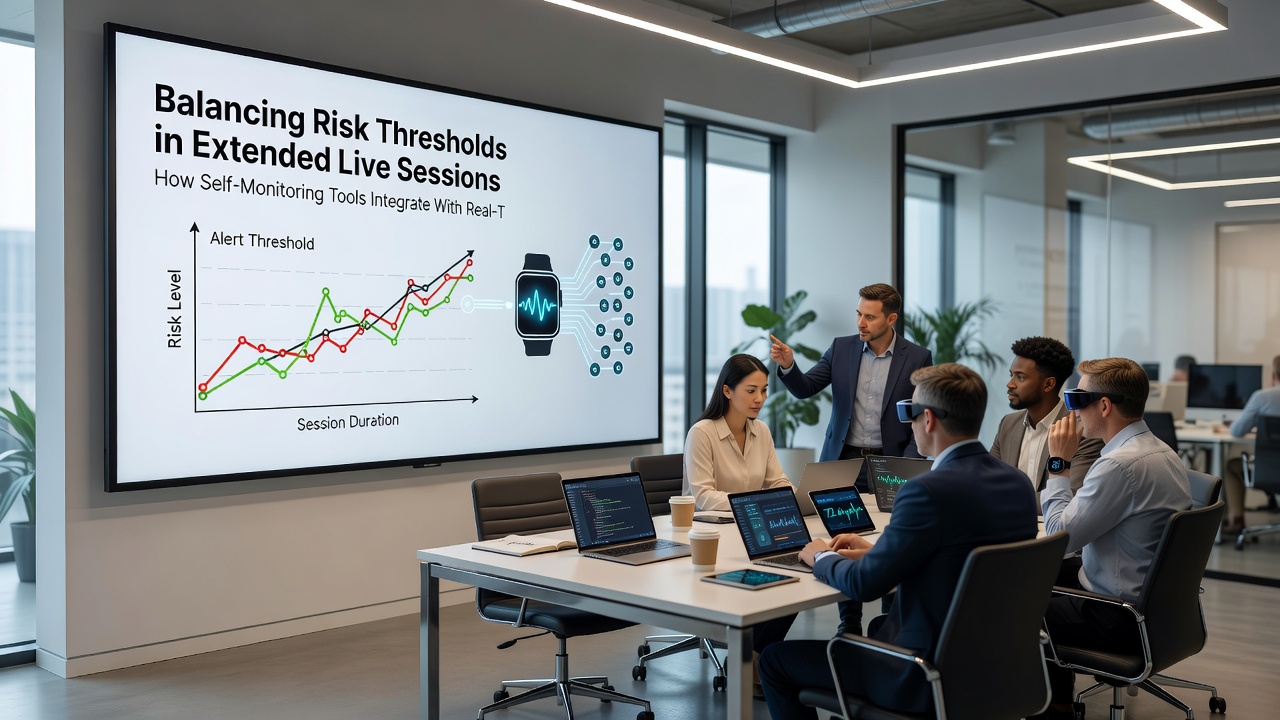
Industry groups such as the European Gaming and Betting Association published interoperability guidelines in early 2026 that standardize the fields exchanged between monitoring modules and odds providers. These guidelines specify encryption requirements and minimum update frequencies, ensuring that threshold calculations remain consistent when odds originate from different suppliers. One study released by the Responsible Gambling Council of Canada examined 12,000 sessions and reported that standardized exchange lowered duplicate alerts by nearly one quarter, because users no longer received conflicting messages from separate systems.
Alert Mechanisms and User Response Patterns
Alerts arrive through multiple channels, including in-app banners, push notifications, and optional email summaries that aggregate activity over longer windows. The timing of these messages aligns with odds updates so that a sudden price movement and a threshold warning appear together, giving context for any decision. Figures released by the Australian Communications and Media Authority indicate that sessions incorporating synchronized alerts averaged 12 percent shorter durations than those without such integration, although total handle remained stable because participants adjusted stake sizes rather than abandoning markets.
Users who set dynamic thresholds before entering live sessions report fewer manual interventions, since the system itself pauses or caps further activity once combined metrics hit preset values. The same Canadian study found that pre-commitment combined with real-time odds linkage produced the strongest adherence rates, whereas static limits alone showed higher override frequency during volatile periods.
Regulatory and Technical Developments Through Mid-2026
Regulatory bodies outside the United Kingdom have begun requiring evidence of integrated monitoring in licensing renewals, with emphasis on audit trails that demonstrate threshold adjustments occurred in response to documented odds changes. Nevada's Gaming Control Board, for instance, now requests sample logs showing timestamp correlation between price feeds and risk notifications. Technical teams have responded by adding immutable logging layers that record every recalculation event, making post-session reviews straightforward for compliance teams.
Meanwhile, academic researchers continue to examine whether the added visibility influences longer-term behavior. A working paper from the University of Sydney Business School analyzed anonymized transaction data from 2025 and noted modest reductions in average session variance when monitoring tools received continuous odds input, although the authors emphasized that individual differences remain significant and further longitudinal work is required.
Conclusion
Integration between self-monitoring tools and real-time odds feeds has moved from experimental feature to operational standard across many live betting environments by July 2026. The technical architecture relies on synchronized data streams, standardized exchange formats, and alert logic that respects current market conditions rather than fixed snapshots. Evidence gathered by independent research bodies and regulatory agencies indicates measurable effects on session metrics, while ongoing pilots test broader cross-platform consistency. As these systems mature, the focus remains on maintaining accurate, timely correspondence between odds movements and risk thresholds so that extended sessions operate within defined parameters.