Virtual Simulations Reshape Preparation for Jockeys and Analytical Approaches for Bettors
Drew Hansen · Aug 18, 2026
Virtual Simulations Reshape Preparation for Jockeys and Analytical Approaches for Bettors
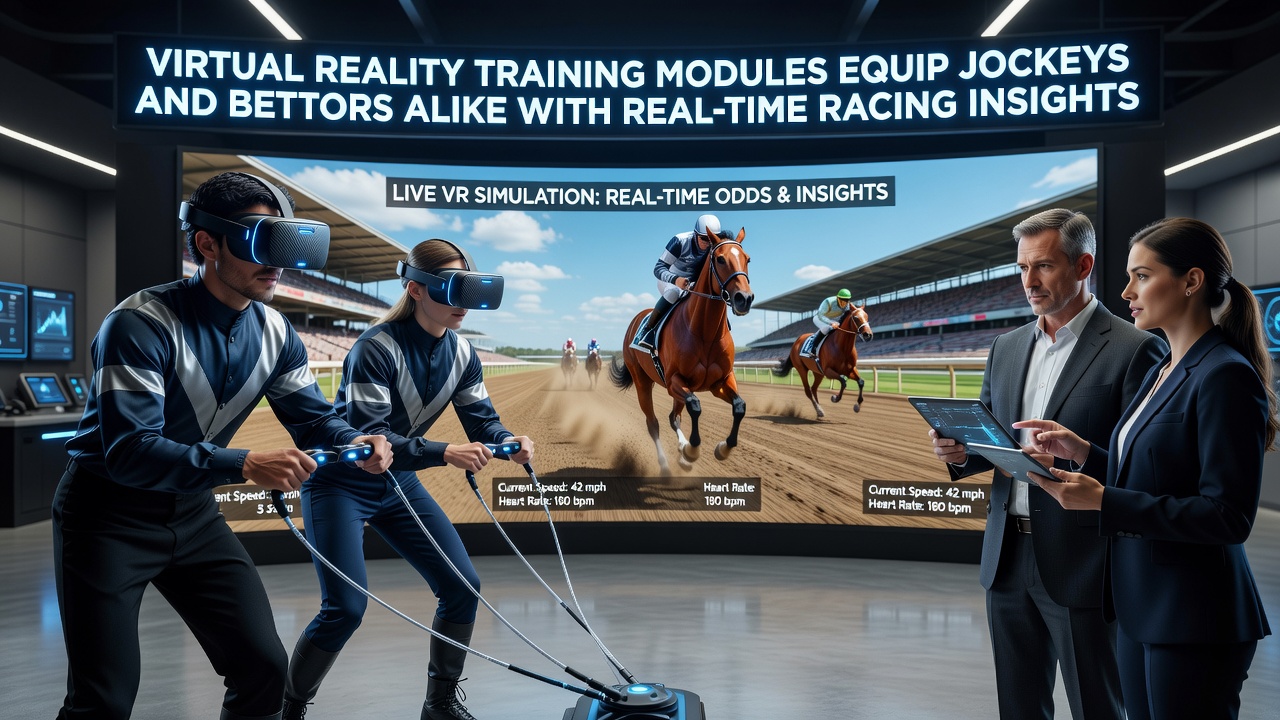
Virtual reality training modules have expanded across horse racing programs since early 2025, and by August 2026 several major tracks report full integration of these systems into daily preparation routines. These platforms combine motion-capture sensors, 360-degree track recreations, and live data feeds that update split times, pace figures, and sectional rankings during each simulated run. Jockeys wear headsets that place them inside familiar racecourses while algorithms adjust variables such as wind, track bias, and competitor positioning based on the most recent official clockings.
Core Components of Current VR Modules
Each module consists of three linked elements: a high-resolution visual engine, biometric feedback loops, and an analytics dashboard that records every rein movement and body shift. Research from the University of Sydney's equine performance laboratory shows that riders who complete at least twelve VR sessions per month improve their reaction times to late-race traffic by an average of 18 percent compared with riders who rely solely on trackwork. The same datasets feed into separate interfaces used by analysts and bettors who subscribe to premium data services, allowing them to review identical simulations with additional layers that highlight speed ratings and expected value markers.
Adoption Patterns Among Professional Riders
Trainers in Australia, the United States, and parts of Europe began rolling out VR stations in 2024 after pilot programs demonstrated measurable gains in apprentice confidence. In August 2026 the Hong Kong Jockey Club announced that every licensed apprentice must log a minimum number of VR hours before riding in graded stakes, citing internal statistics that link the training to fewer mid-race positioning errors. Riders note that the systems let them rehearse specific race scenarios, such as navigating a tight rail or responding to a sudden pace collapse, without the physical wear of extra track gallops.
Bettor Access and Data Integration
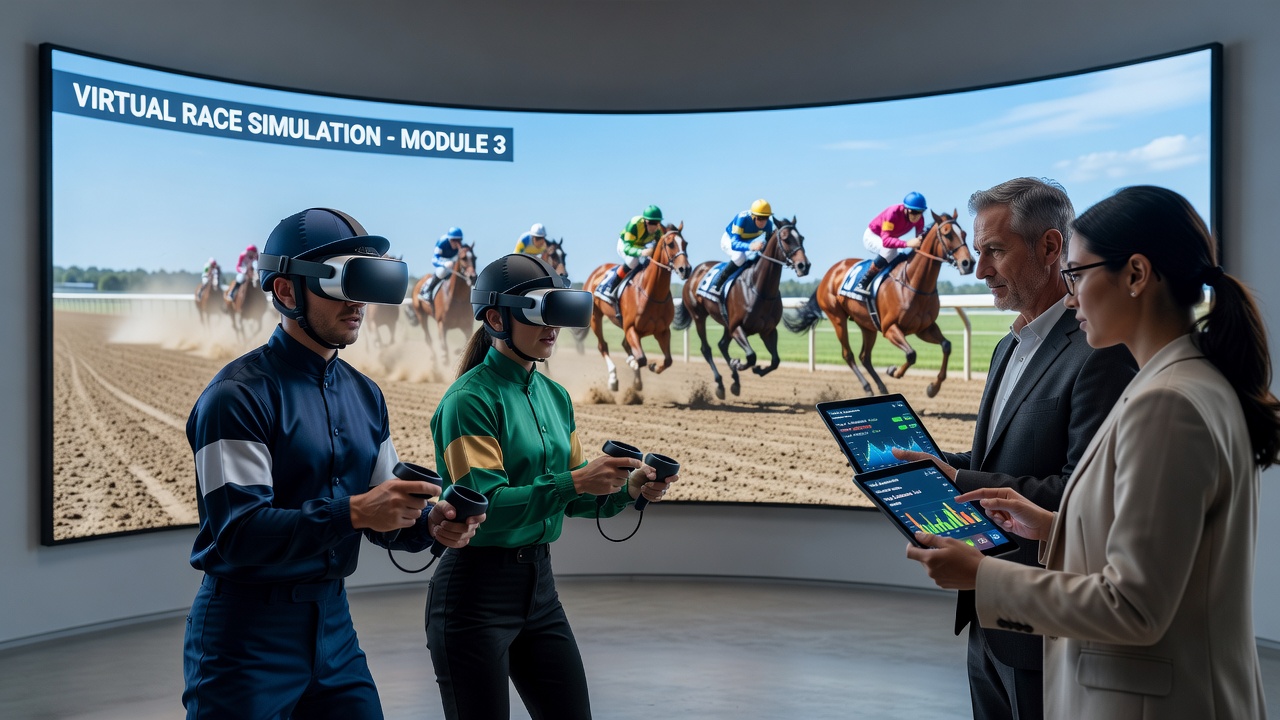
Parallel platforms now deliver the same visual reconstructions to paying subscribers through desktop and mobile applications. Users can pause any moment of a simulated race, overlay historical speed figures, and toggle between different pace scenarios that mirror actual race conditions. Data released by the North American Pari-Mutuel Regulators Association indicates that tracks offering VR-linked analytics packages recorded a 23 percent increase in unique data-subscription accounts during the first half of 2026. The information remains strictly historical and simulated; no live wagering occurs inside the training environments themselves.
Technical Standards and Regulatory Oversight
Equipment manufacturers follow guidelines established by the International Federation of Horseracing Authorities, which updated its technology standards in late 2025 to cover data accuracy thresholds and privacy protections for rider biometrics. Compliance audits occur quarterly, and participating jurisdictions require independent verification that all displayed figures match official timing sources. Several academic teams, including researchers at the University of Guelph, continue to publish peer-reviewed papers examining long-term effects on rider decision-making and the correlation between VR exposure and on-track performance metrics.
Future Developments Expected by Year End
Developers are currently testing haptic feedback suits that add resistance when a simulated horse tires, and early trials suggest these additions further sharpen a rider's sense of when to ask for effort. Betting platforms have expressed interest in expanding the visual libraries to include more international venues, which would give analysts access to consistent sectional data from circuits that previously lacked unified timing systems. Industry observers note that continued refinement of these modules depends on sustained cooperation between racing authorities, equipment suppliers, and academic partners to maintain both accuracy and accessibility across regions.
Conclusion
Virtual reality training modules now serve as a shared resource that connects rider preparation with detailed performance analysis available to data subscribers. As adoption widens through 2026, the systems continue to supply identical visual and numerical inputs to both groups while remaining separate from actual wagering interfaces. Ongoing studies and regulatory updates will shape how these tools evolve and which additional racing jurisdictions integrate them into standard operations.