Wearable Integration Sharpens Live Wagering Edges in Global Endurance Competitions
David Carter · Jul 17, 2026
Wearable Integration Sharpens Live Wagering Edges in Global Endurance Competitions
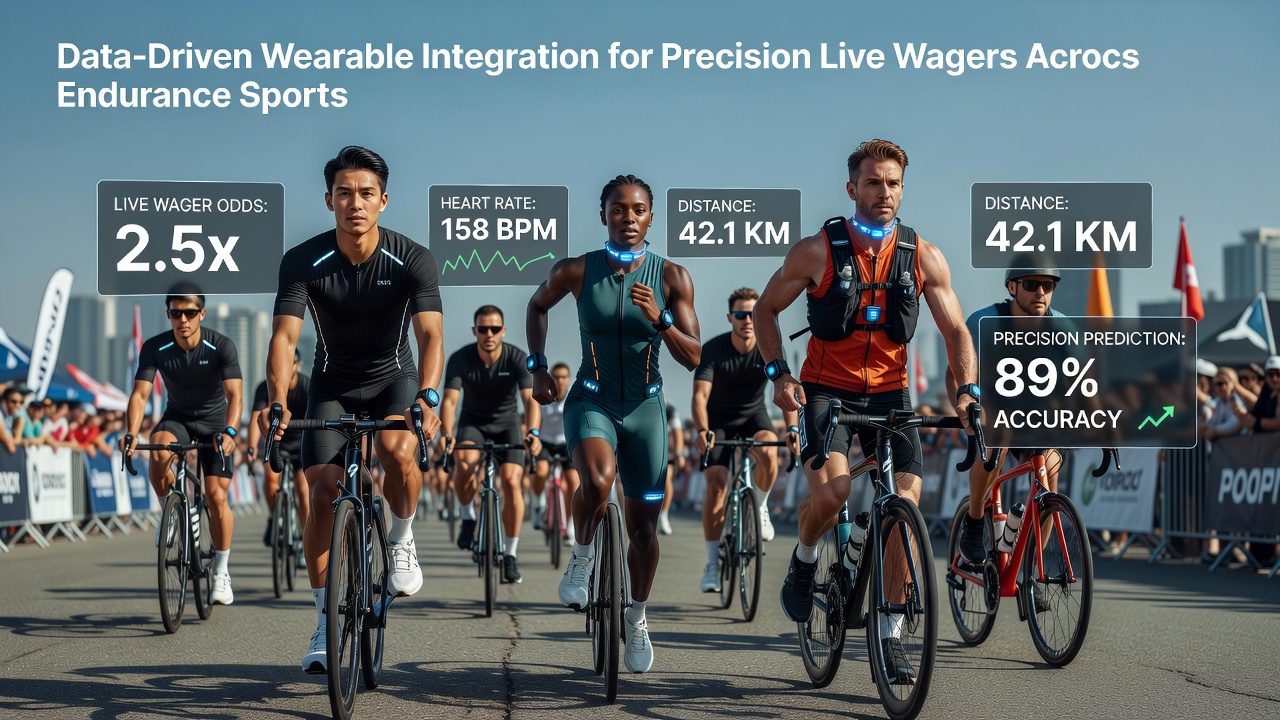
Endurance sports have seen steady adoption of wearable sensors that capture heart rate variability, GPS positioning, power output, and core temperature in real time, and these streams now feed directly into live betting platforms that adjust odds on splits, finish projections, and performance thresholds. Platforms combine athlete biometrics with environmental data such as wind speed and elevation profiles to generate dynamic probabilities that update every few seconds during events like marathons, Ironman triathlons, and multi-stage cycling tours.
Operators source data from devices compliant with international standards set by bodies including the International Olympic Committee medical commission, which published integration guidelines in 2024, and they route anonymized feeds through secure APIs to licensed wagering systems operating under frameworks managed by state regulators in the United States and the Australian Sports Commission. Research from Stanford University's Human Performance Lab indicates that combining wearable metrics with historical race data improves prediction accuracy for mid-race position changes by up to 18 percent compared with traditional pace-only models.
Data Capture and Transmission Protocols
Sensors embedded in chest straps, smartwatches, and bike power meters record multiple channels simultaneously, while Bluetooth Low Energy and 5G connections transmit packets to edge servers positioned near race courses. Organizers at the 2026 Tour de France stages scheduled for July implemented expanded 5G corridors that reduced latency to under 150 milliseconds, allowing bookmakers to refresh live markets on individual stage time gaps before riders crossed timing mats. Engineers route the data through encryption layers that satisfy both GDPR requirements in Europe and PIPEDA standards in Canada, ensuring that only aggregated performance indicators reach betting engines rather than personally identifiable health records.
Application in Marathon and Ultra-Distance Events
Live markets on kilometer splits now incorporate real-time heart-rate drift and cadence shifts to estimate whether a leading runner will maintain sub-3-minute kilometer pace through the final 10 kilometers. Observers note that during the 2025 Berlin Marathon, betting volumes on sub-2:05 finish propositions spiked when early wearable data showed several elite athletes sustaining lactate thresholds below 4 millimoles per liter, figures that aligned with their eventual top-three placements. Similar integrations appear in ultramarathons where aid-station checkpoints feed additional metrics such as hydration estimates derived from sweat-rate algorithms, enabling wagers on whether a runner will complete the next 50-kilometer loop within a set time window.
Triathlon and Multisport Integration Patterns
Triathlon platforms layer swim-stroke analytics, bike power-to-weight ratios, and run-economy scores into composite performance indices that update after each discipline transition. Data from the 2026 Ironman World Championship in July demonstrated how average power output on the bike leg correlated strongly with overall finishing position once run-pace projections adjusted for cumulative fatigue scores. Betting exchanges adjusted in-play odds on age-group category winners within 90 seconds of athletes exiting the water, using stroke-rate data captured by waterproof sensors to refine expected bike-split times.
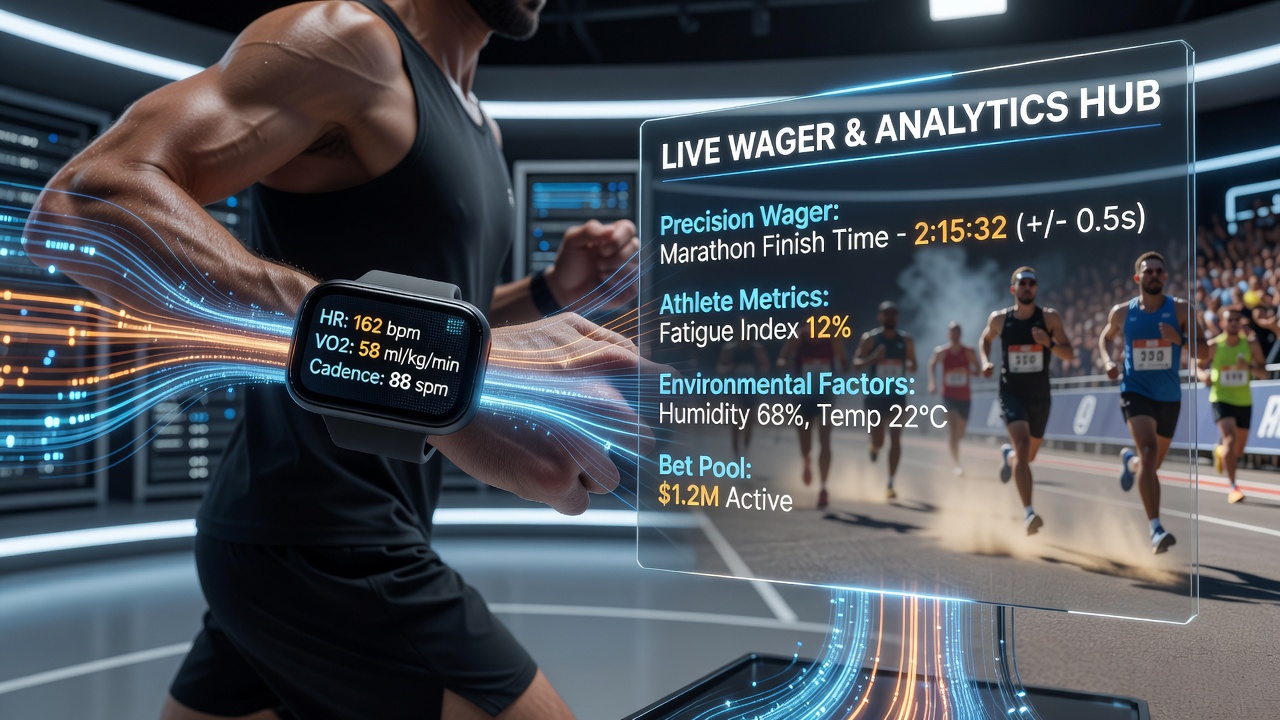
What's interesting is how these same data streams support prop markets on whether an athlete will record a personal best within a specific discipline, with algorithms weighting recent training-load metrics against race-day conditions. Industry reports from the Sports Business Journal show that North American operators offering triathlon live markets recorded a 27 percent increase in handle during the first half of 2026 when wearable feeds were added to existing GPS timing integrations.
Regulatory Oversight and Data Governance
Regulators in multiple jurisdictions require operators to maintain audit trails that separate performance data from any health-related identifiers, and the Australian Sports Commission has issued technical specifications for wearable data handoff that several international betting platforms adopted in early 2026. Canadian provincial gaming authorities similarly mandate third-party verification of data accuracy before live markets open, while U.S. state gaming control boards in Nevada and New Jersey require periodic penetration testing of the API endpoints that receive endurance-event feeds. These layered requirements create consistent standards that allow platforms to offer cross-border markets without violating regional privacy statutes.
Future Expansion and Technical Developments
Engineers continue to refine multi-sensor fusion techniques that combine optical heart-rate readings with electromyography signals from compression apparel, producing fatigue indices that update every 30 seconds during long-course events. Trials conducted at the 2026 European Athletics Championships tested prototype insoles that measure ground-reaction forces, and early results suggest these additional channels could further tighten live-odds ranges on final-kilometer surges. Observers note that such expansions remain contingent on continued cooperation between equipment manufacturers, race organizers, and data-protection agencies across different continents.
Conclusion
Wearable data integration has established measurable improvements in the granularity of live endurance-sports wagering by supplying continuous biometric and kinematic inputs that refine probability models throughout events. Continued alignment between technical standards, privacy regulations, and operator infrastructure supports broader deployment across additional endurance formats while maintaining compliance with regional oversight frameworks.