Wearable Sensors Integrate with Mobile Betting Platforms to Detect Problematic Play Patterns
David Carter · Jul 31, 2026
Wearable Sensors Integrate with Mobile Betting Platforms to Detect Problematic Play Patterns
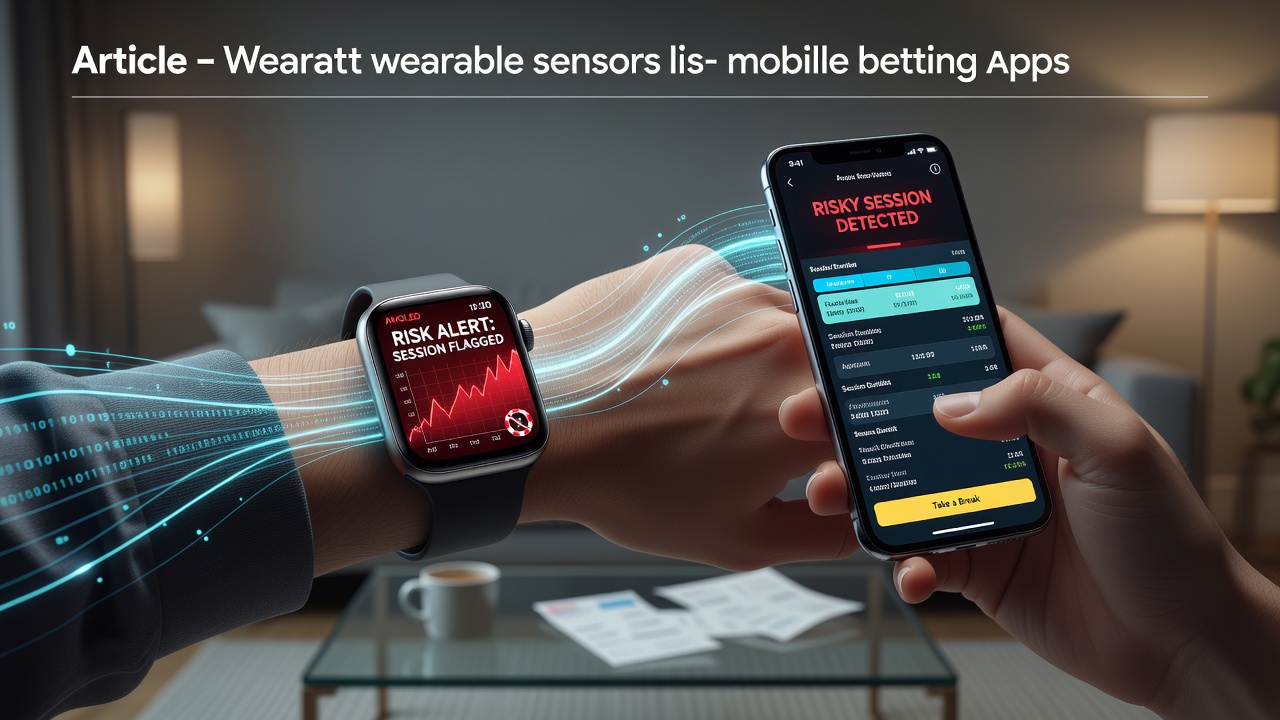
Technology companies have developed wearable sensors that monitor physiological indicators such as heart rate variability, skin conductance, and movement patterns, then transmit this information directly to mobile betting applications for immediate analysis during active sessions. Developers designed these systems to identify signs of elevated stress or rapid decision-making that often accompany extended gambling periods, and the alerts appear within the app interface without interrupting the user experience. In July 2026 several operators began testing these integrations across multiple markets, with data flowing from consumer devices like smartwatches and fitness bands into backend risk engines that compare current readings against established behavioral baselines.
How Biometric Data Reaches Betting Applications
Sensors embedded in wrist-worn devices collect continuous streams of biometric information, and specialized software development kits convert these signals into standardized data packets that betting apps receive through secure Bluetooth or Wi-Fi connections. Once the app processes the incoming metrics, algorithms assess whether the combination of physiological arousal and betting frequency exceeds predefined thresholds, then generate a notification that suggests taking a break or reviewing session history. Operators report that this pipeline operates with latency under two seconds in most network conditions, allowing the system to flag potential issues while the session remains active rather than after it concludes.
Technical Components Driving Real-Time Alerts
The core architecture relies on three layers that work together during each betting session. First, the wearable hardware samples biometric signals at regular intervals, second, an edge-processing module on the mobile device performs initial filtering to reduce noise, and third, cloud-based models compare the processed data against historical patterns collected from large user cohorts. Researchers at several institutions have published findings showing that elevated heart rate combined with quick successive bets correlates with higher risk indicators in controlled studies, and developers incorporated these correlations into the alert logic used by current applications. One study released by a North American research consortium demonstrated that combining galvanic skin response with betting velocity improved detection rates compared with velocity alone, while another project based in Australia examined how movement data from accelerometers added context during live events.
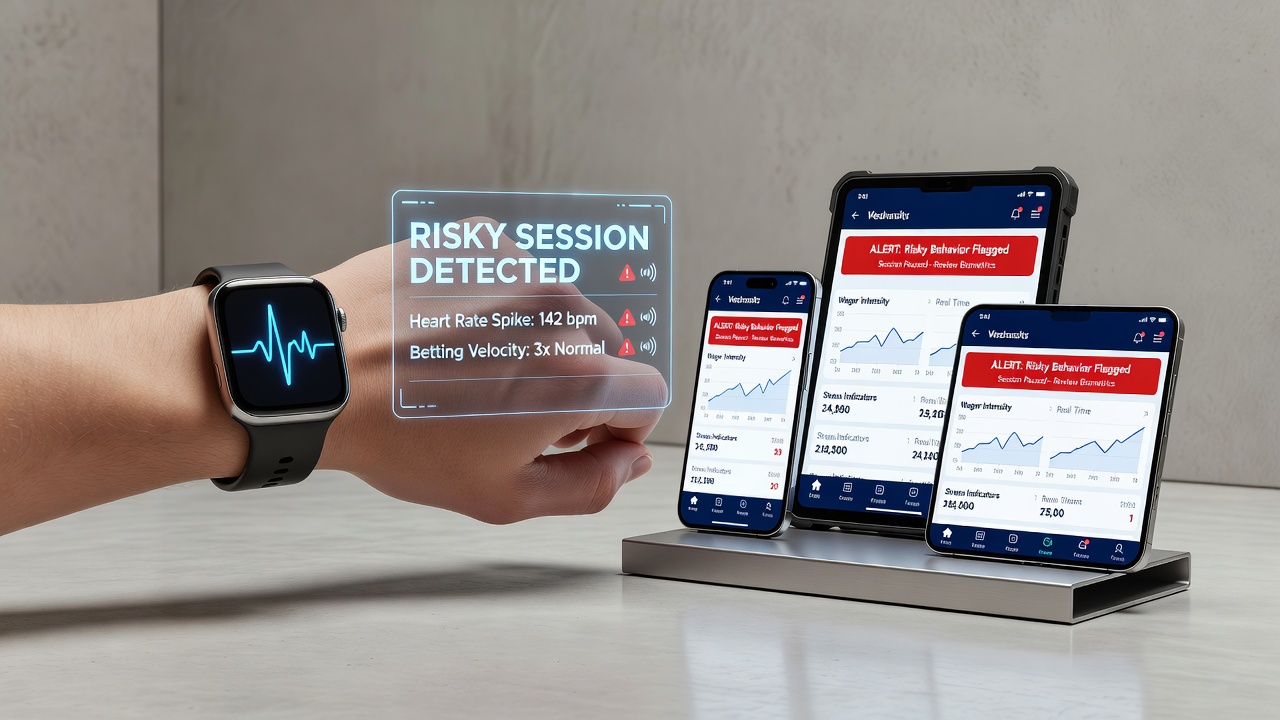
These technical refinements have allowed operators to move beyond simple time-based or spend-based triggers toward more nuanced, individualized responses that adjust to each user’s baseline physiology. Data indicates that false positive rates have declined as models incorporate longer calibration periods, typically requiring several sessions before generating the first personalized alert thresholds.
Regulatory and Industry Adoption Patterns
Regulators in multiple jurisdictions have begun reviewing these sensor-driven systems as part of broader responsible gambling frameworks, and some licensing conditions now reference the capability to deliver real-time interventions. Industry groups such as the American Gaming Association have hosted working sessions on biometric integration standards, while European trade associations have examined data privacy implications under existing consumer protection rules. Participation remains voluntary for users who choose to connect their wearables, and operators must obtain explicit consent before linking device data to betting accounts. Figures released by a Canadian provincial regulator in early 2026 showed that a small but growing percentage of active accounts had enabled at least one biometric monitoring feature, with higher uptake among users who already employed health-tracking applications for other purposes.
Privacy Considerations and Data Handling
Because biometric readings constitute sensitive personal information, developers route all sensor data through encrypted channels and store it separately from financial transaction records. Access controls limit visibility to the minimum number of staff required for system maintenance, and retention policies require deletion of raw physiological signals after a defined period unless users grant extended storage for research purposes. Observers note that several operators publish transparency reports detailing how many alerts were generated and what percentage of users modified their behavior following an alert, although independent verification of these statistics remains limited. The National Council on Problem Gambling has encouraged further study into whether users who receive biometric alerts show measurable reductions in session length or expenditure over time.
Future Developments in Sensor Integration
Engineers continue to explore additional sensor inputs, including temperature fluctuations and voice pattern analysis when devices support such capabilities, while maintaining focus on accuracy and minimal user friction. Pilot programs scheduled for late 2026 will test whether combining wearable data with device usage patterns, such as screen time or typing speed, can further refine risk detection without requiring additional hardware. Those programs also examine cross-device synchronization so that alerts remain consistent whether a user switches between a phone and tablet during the same session. As adoption expands, researchers expect more granular datasets that could support population-level insights into how physiological responses vary across different betting formats and user demographics.
Conclusion
Wearable sensors now supply continuous biometric streams that mobile betting applications analyze to surface real-time alerts when sessions show elevated risk characteristics. The integration relies on established hardware, standardized data protocols, and evolving machine-learning models that improve with additional user data. Regulatory scrutiny and industry standards are developing alongside the technology, while privacy safeguards remain central to implementation. Continued testing and independent evaluation will determine how widely these systems expand and what measurable effects they produce on user behavior across different markets.